The kitchen floor
Why I’m writing this, and why I built what I built

The first time I realized something was deeply wrong, I was on the kitchen floor with my phone in my hand.
It was after Uvalde. I’d been calling for hours… my senators, my rep, the White House comment line. Two of the numbers were full. One rang into nothing. The fourth picked up, took my name, hung up.
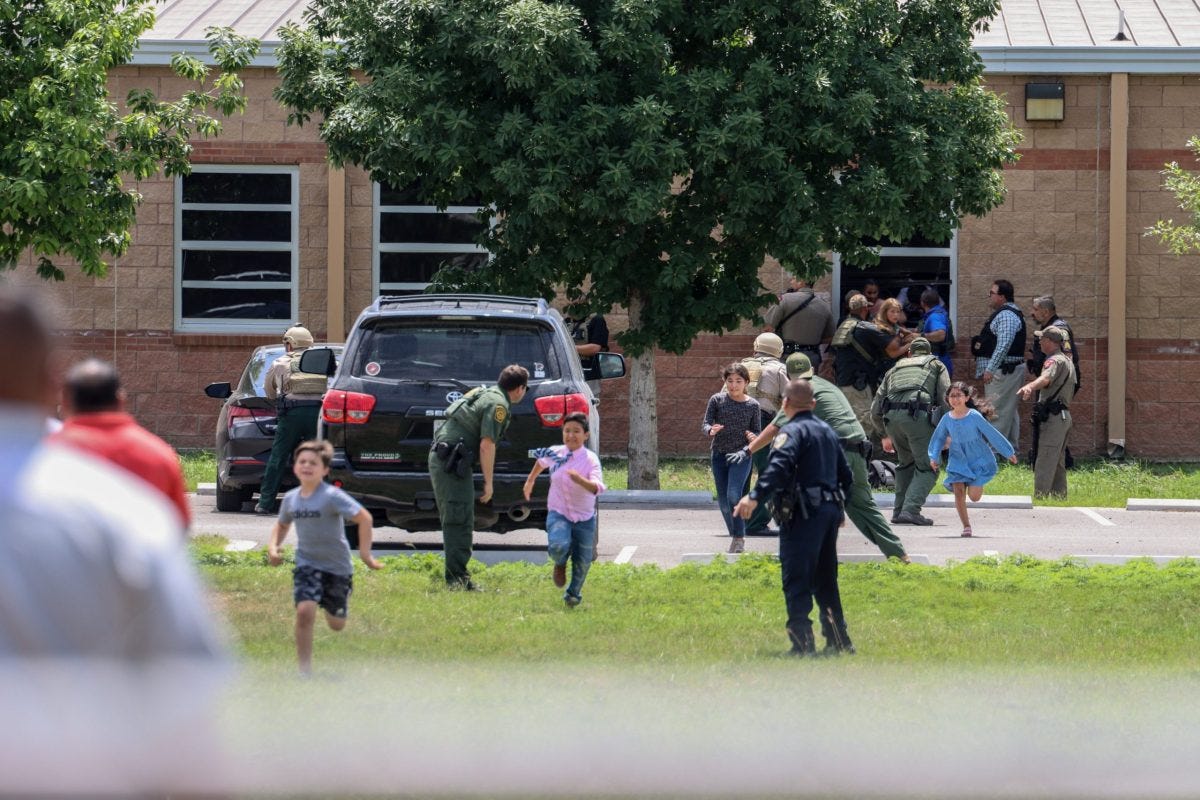
So I did what a lot of us end up doing. I opened Instagram and started DMing elected officials. I was angry and wanted change.
Here is the thing I want you to sit with for a second: I had worked on Capitol Hill. I knew that nobody on the other side of those DMs was reading them. I knew where constituent messages actually go, and I knew that wasn’t it.
But I did it anyway. Because everything else had failed, and I needed to feel like I had done something. That’s the moment I want to open this space with. Because the kitchen-floor moment isn’t unique to me. It’s the entire country right now.
People are furious. People are grieving. People are scared — about their kids, their healthcare, their bills, their towns, their country. And the systems we have for doing something about any of it are stuck in the 1990s. Phone trees. Form letters. Web portals that may or may not be working today. A voicemail box that’s full by 10am.
We’ve been told the answer is to “make your voice heard.” But we built a country where making your voice heard requires you to be persistent, polished, well-resourced, and lucky. Most people don’t have time to be all four. So they post. They rant. They give up. I don’t blame them. I was them.
Here’s the part most people don’t see. When I was on the Hill, I watched what happens to constituent mail from the inside. The volume is staggering. The systems for processing it are duct-taped together. Junior staff can spend something like 70% of their time triaging messages they barely have the tools to make sense of. And the information that does get logged often doesn’t shape what the office actually does, because by the time anyone organizes it, the moment has passed.
Both sides are losing. Constituents feel ignored because they basically are being ignored. Not because anyone wants them to be, but because the pipes are clogged. And offices are flying blind on what their own districts actually care about, paying enormous sums for polling that tells them less than their inbox could, if their inbox worked.
This is what I mean when I say the problem isn’t that people don’t care.
The problem is that we have built a country where caring doesn’t have anywhere to go.
So I built somewhere for it to go. It’s called CivIQ. I’ll write more about the what in future posts. For now, what matters is the why.
I am not interested in another petition site, another “call your rep” widget, another email blast nobody reads. I am interested in the boring, structural, unsexy work of making sure that when an American picks up their phone at 11pm because something has broken their heart, there is an actual path between that moment and the person who was elected to do something about it.
Not a feeling of action. Action. Into the official channels. Where it counts.
This newsletter is going to do a few things.
It’s going to introduce you to the people building the movement around this work: partners, advocacy founders who have been doing the impossible job for years, the organizers and parents and survivors who have figured out how to actually move offices.
It’s going to share the stories of real people who’ve used the tool. What brought them in, what they said, what happened. With their permission, in their words. Because the most powerful thing in American politics right now is not a poll or a pundit. It’s one specific person saying one specific thing about one specific issue, in a way that lands on the right desk at the right time.
It’s going to share what we’re hearing in the data. The patterns, the surprises, the things constituents are saying out loud that nobody in DC is paying attention to yet.
And every once in a while, it’s going to be me, on the kitchen floor again, working something out in writing.
A few things this space is not going to be.
It’s not going to be partisan. I’m partisan about the process, about whether people get heard, not about which side wins the argument.
It’s not going to be doom. There’s enough of that already.
It’s not going to be a brochure. I’m not going to use this space to sell you anything. If a tool comes up, it’s because it’s part of the story.
If you’ve ever sat on a kitchen floor with your phone in your hand wondering if any of this matters, if your voice ever lands anywhere, if there’s something better than the void. You’re who I’m writing for.
I’m glad you’re here!
Aubrey
Linked here is the first campaign we supported to End Mass Shooting > https://tinyurl.com/WeMarchFourth